

Cultural heritage · P03DGPA
PIA Archaeological Research Project
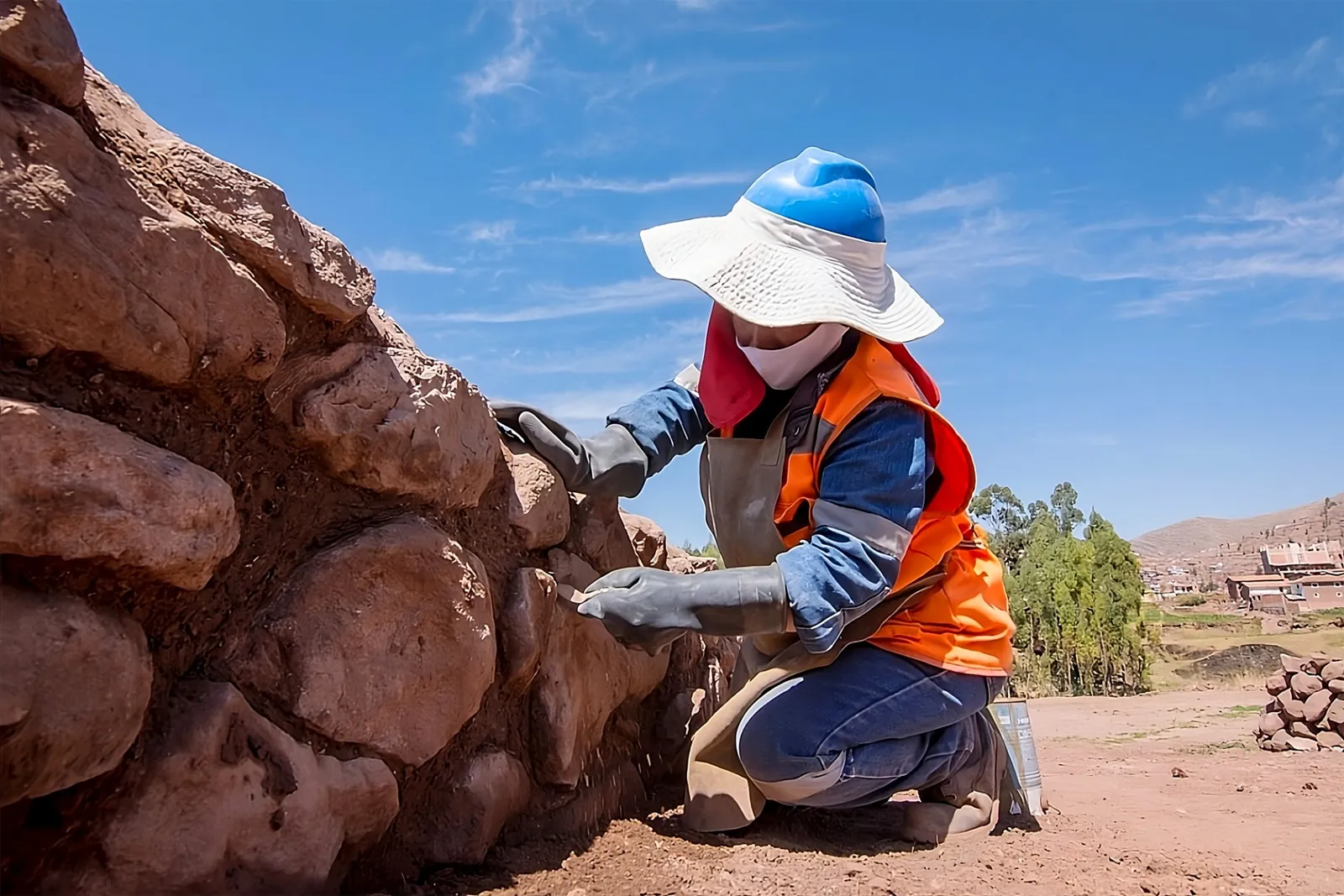
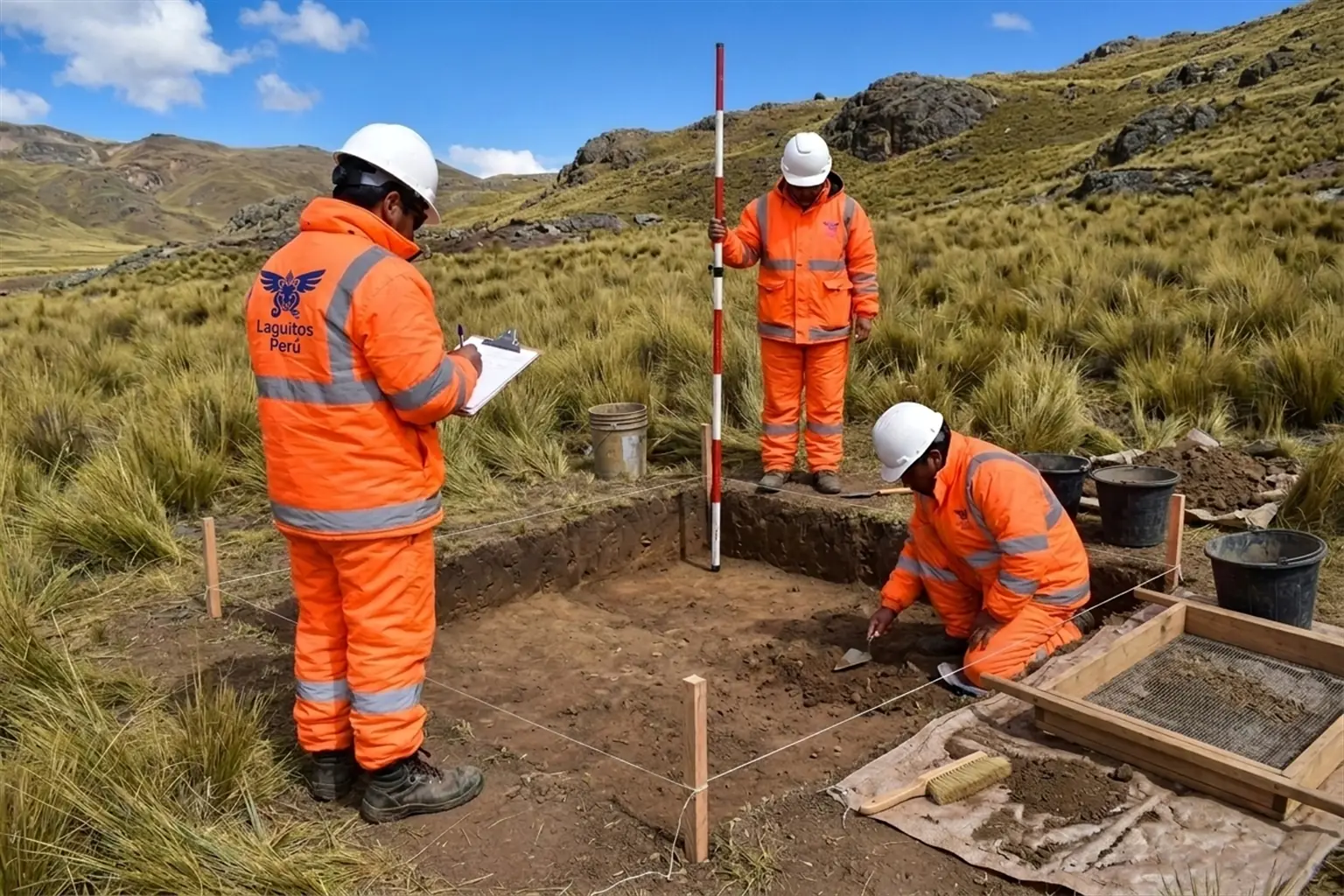
The Archaeological Research Project (PIA) authorizes excavation and survey for the research, conservation and enhancement of archaeological assets, on one or more assets or in defined geographic areas.
- P03DGPA
- Ministry processing time: 30 business days (TUPA)
- Research, conservation and enhancement
What it is
What it is
It is the authorization, by Directoral Resolution, to carry out excavation and survey work, among others, for the research, conservation and enhancement of archaeological assets.
Read more
The intervention may cover more than one asset or include defined geographic areas. Every PIA has a research component and may add conservation and enhancement components, each with its own requirements.
Legal basis: Reglamento de Intervenciones Arqueológicas (Regulation on Archaeological Interventions, D.S. N.° 011-2022-MC), arts. 19 and 20.
At a glance
When
When your project needs it
- 01When you want to research one or more archaeological assets or a defined geographic area.
- 02When an archaeological asset needs conservation work.
- 03When you plan to open a site to visitors with a visitor circuit, signage, viewpoints or an interpretation center.
How we work
How we work, step by step
Choose a step to see what we do in it.
Project
We draft the project: problem statement, hypotheses, objectives, methodology, schedule and budget.
Plans
We prepare the perimeter and location plans, georeferenced in UTM, Datum WGS 84.
Authorization
We file the application and manage the authorization with the Ministry of Culture.
Field and lab work
We carry out the excavations, surveys and analyses set out in the project.
Report
We deliver the final report of the project.
Requirements
What the Ministry of Culture requires
Summary of the TUPA requirements for this procedure. We help you prepare each one.
Application and sworn statement
- Application form with the applicant's details (if it is a company, signed by the legal representative, with RUC and registry entry).
- Sworn statement from the project director, with their professional association and qualification numbers, and commitments to financing, to not affecting cultural heritage, and to publication.
- Number of the sector's technical approval document, if the intervention comes from an investment project (PIA with an enhancement component).
- Receipt number and payment date.
Technical information signed by the director
- Project description: location, background and problem statement.
- Research hypotheses and questions.
- General and specific objectives.
- Activity plan and schedule.
- Methodology and techniques for field and lab work.
- Project staff and responsibilities.
- General budget for the intervention.
Plans and financing
- Perimeter and location plans of the intervention area in .dwg format, georeferenced in UTM, Datum WGS 84, signed by the competent professional, in printed and digital versions.
- Plain copy of the document stating the source of financing and the total amount allocated.
If it has a conservation component
- Diagnosis of the area: types of deterioration and their causes.
- Description of the intervention: areas or architectural elements, materials, techniques and recording system.
- Conservation record sheet.
- Location plan of the areas or elements to be treated, in .dwg format and georeferenced.
- The conservator's CV, showing studies or experience with immovable archaeological heritage.
If it has an enhancement component
- Descriptive report of the proposal: visitor circuit, signage, viewpoints and interpretation center.
- Location plan of the proposal in .dwg format, georeferenced in UTM, Datum WGS 84.
Plain-language summary of the TUPA requirements of the Ministry of Culture, R.M. N.° 000124-2025-MC (Ministerial Resolution), consulted on 24 October 2026. No fees are included. Check the current version on gob.pe before you apply.
What we deliver
What Laguitos Perú delivers
- The PIA file, with the technical information and the plans.
- Management of the authorization with the Ministry of Culture.
- Execution of the field and lab work, and the final report.
FAQ
Frequently asked questions
What is a PIA for?
To research, conserve and enhance archaeological assets. Unlike the PEA, which evaluates the area of a construction project, the PIA starts from research hypotheses and questions.
How long does the authorization last?
According to the TUPA, it is valid for no more than one year. It can be extended for the same period, and the extension can be renewed for up to the same period granted.
How much is the processing fee?
According to the TUPA: S/ 437.50 with a research component, S/ 675.50 with a conservation component and S/ 1955.40 with an enhancement component, not including inspection travel. Check the current amount on gob.pe.
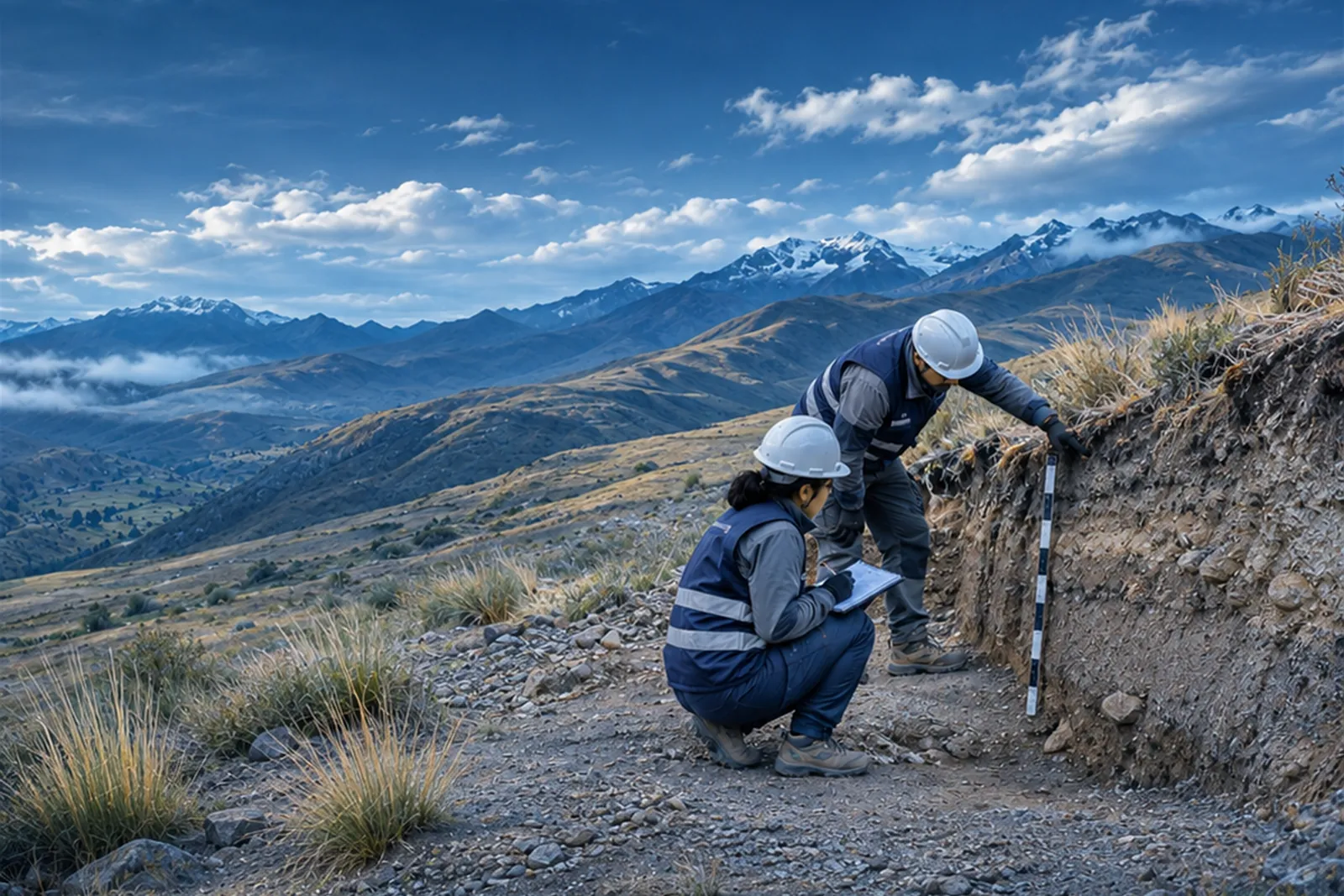 PEAArchaeological Evaluation Project
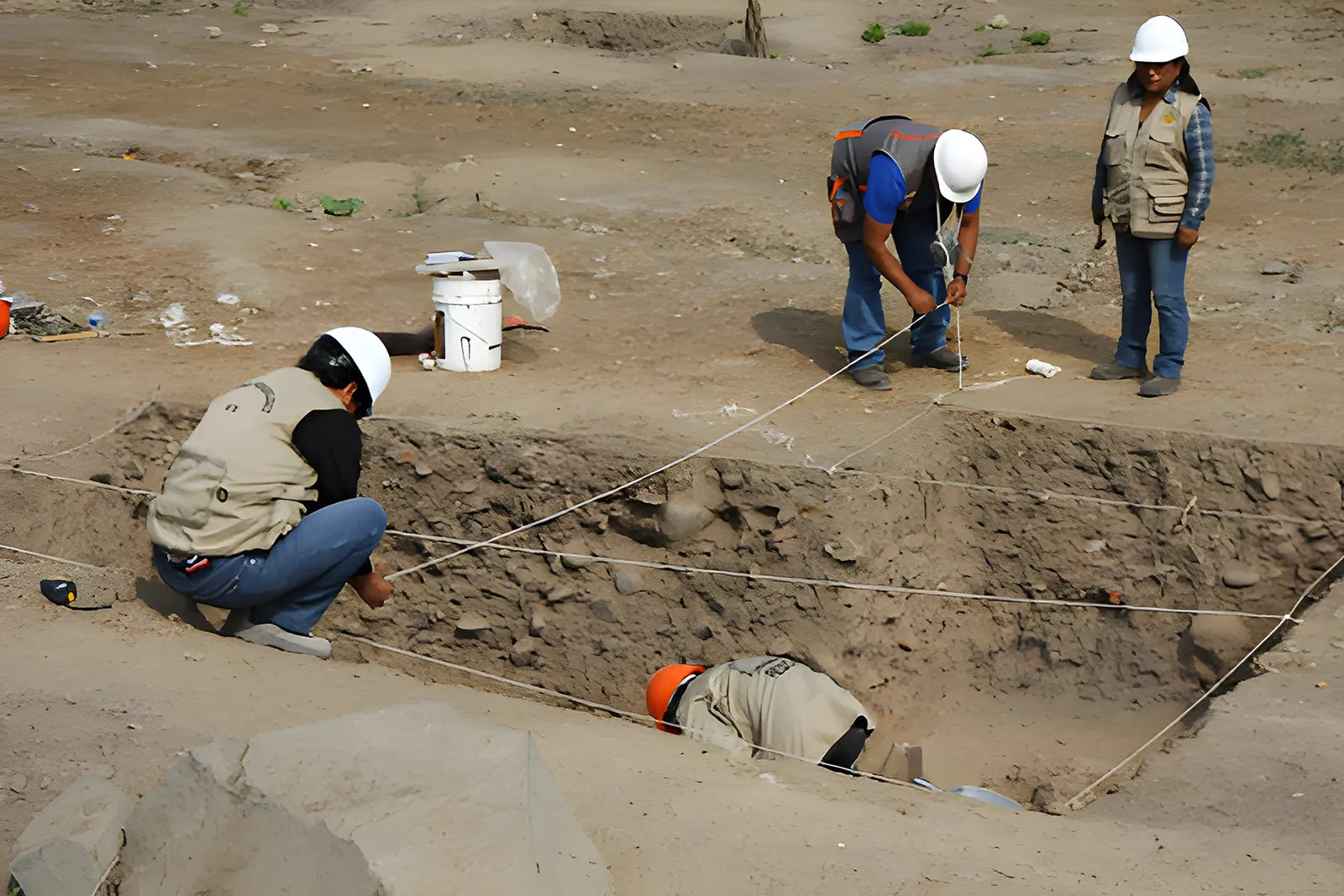 PRAArchaeological Rescue Project
 Archaeological baseline survey
Contact
Does your project need an archaeological study?
Tell us the stage and the location. We will propose the study route and the team to carry it out.
- Mobile / WhatsApp+51 982 707 015
- Emailadministracion@laguitosperu.com
- AddressAv. CND Torres Kayser A 505
- HoursOffice: Monday to Friday, 8:00 AM to 5:00 PM · Online support: 24 hours